The El Niño Emergency Fund is a solidarity initiative aimed at mobilizing resources to support families affected by the El Niño phenomenon in Ecuador.
Because when a community needs help, we can all make a difference.
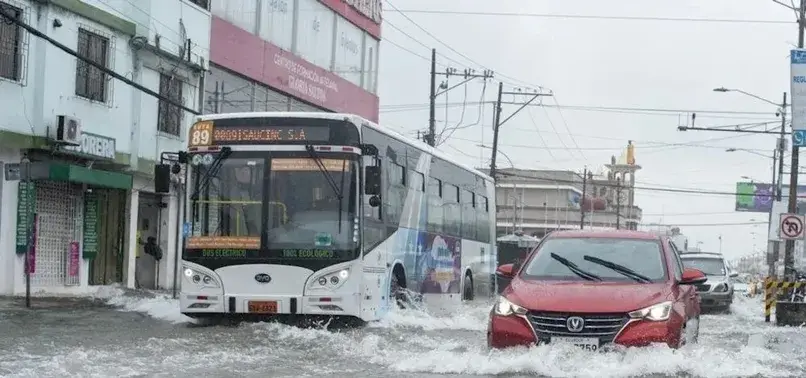
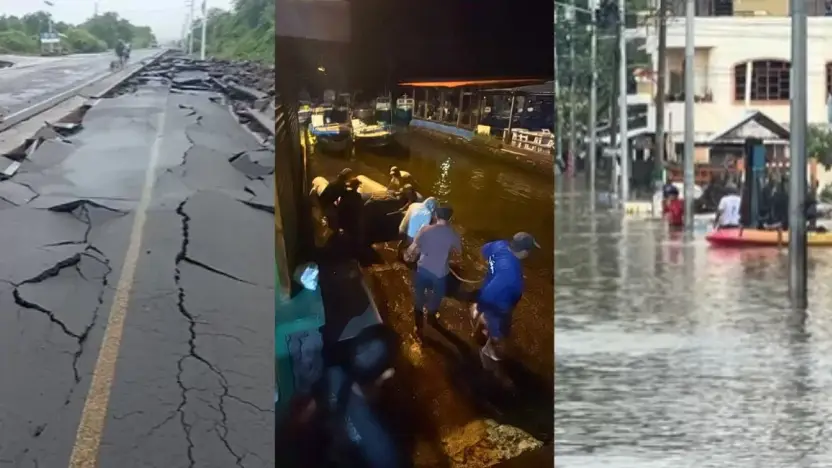
The El Niño phenomenon poses a serious threat to thousands of families across Ecuador. Heavy rainfall, flooding, and landslides can put their homes, crops, businesses and lives at risk.
Your contribution helps us build a collective response to climate-related emergencies in Ecuador.
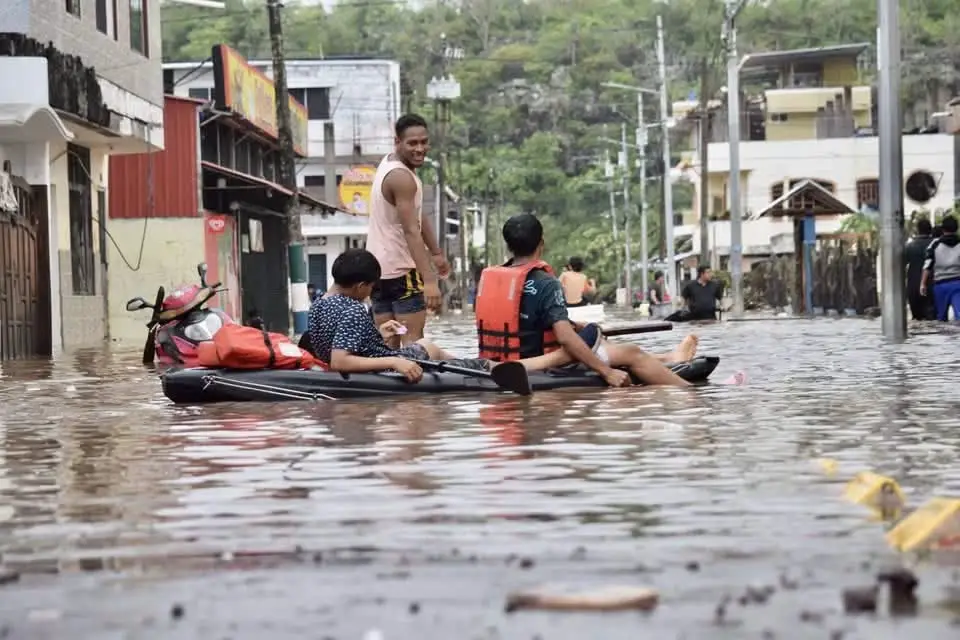
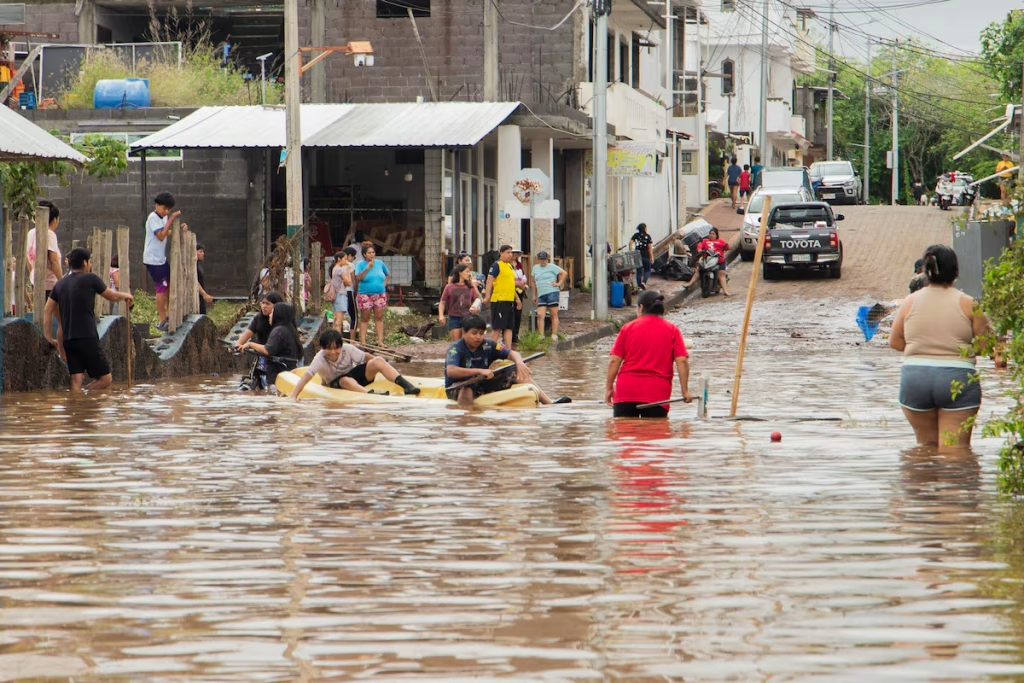
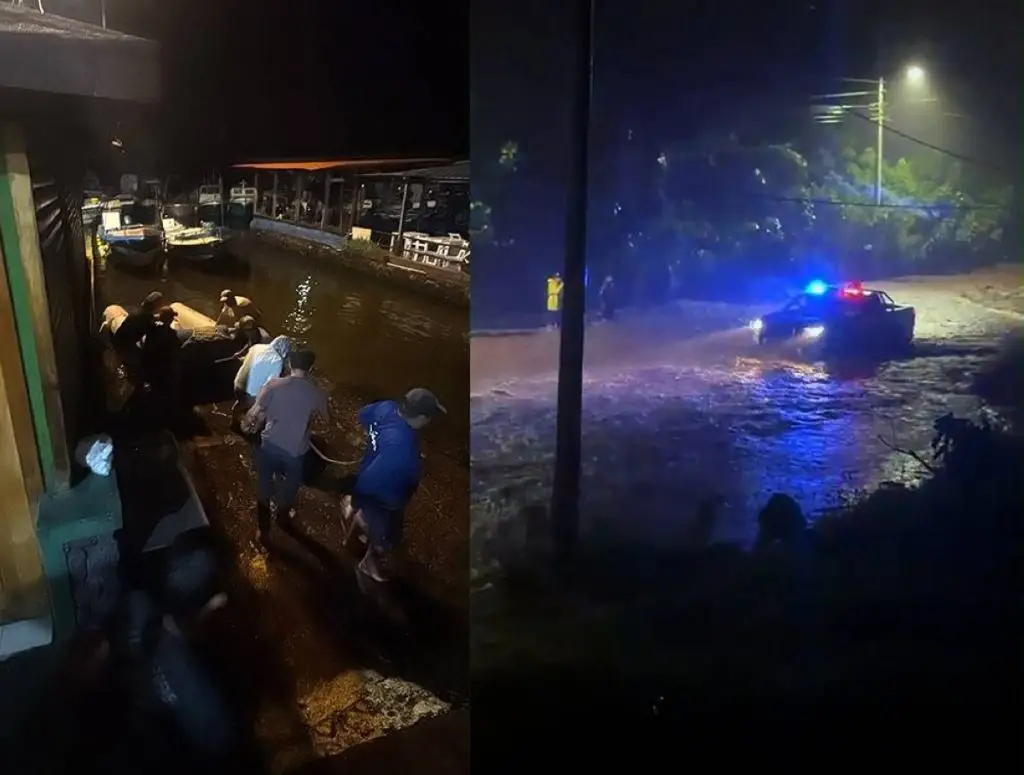
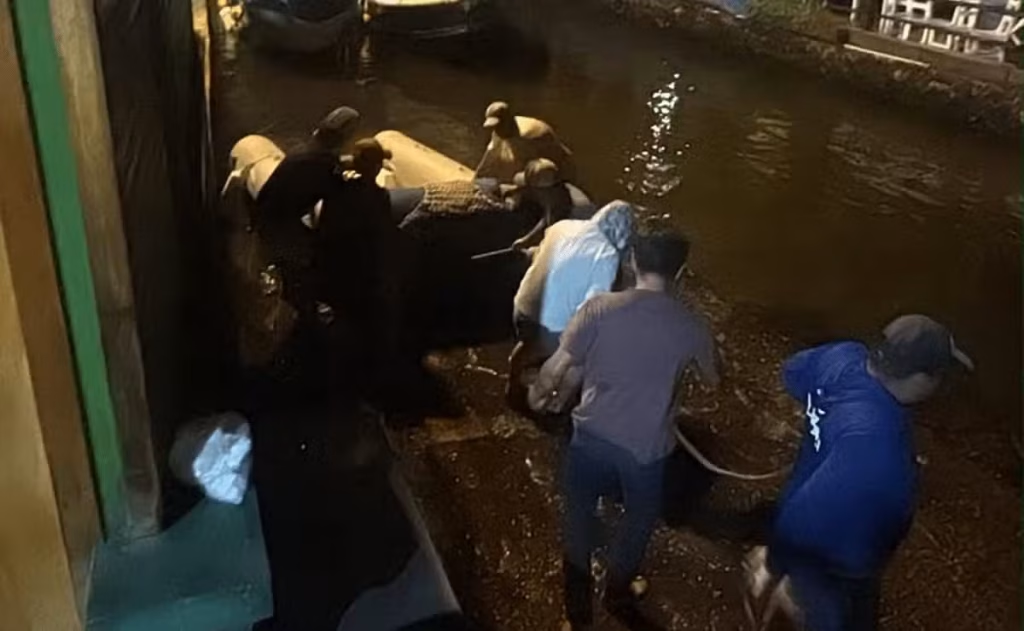
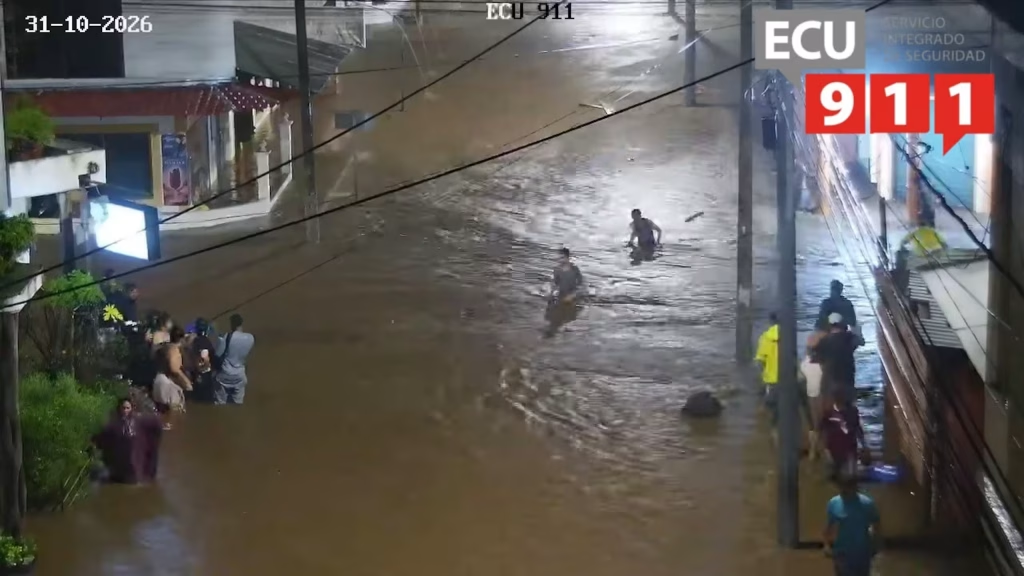
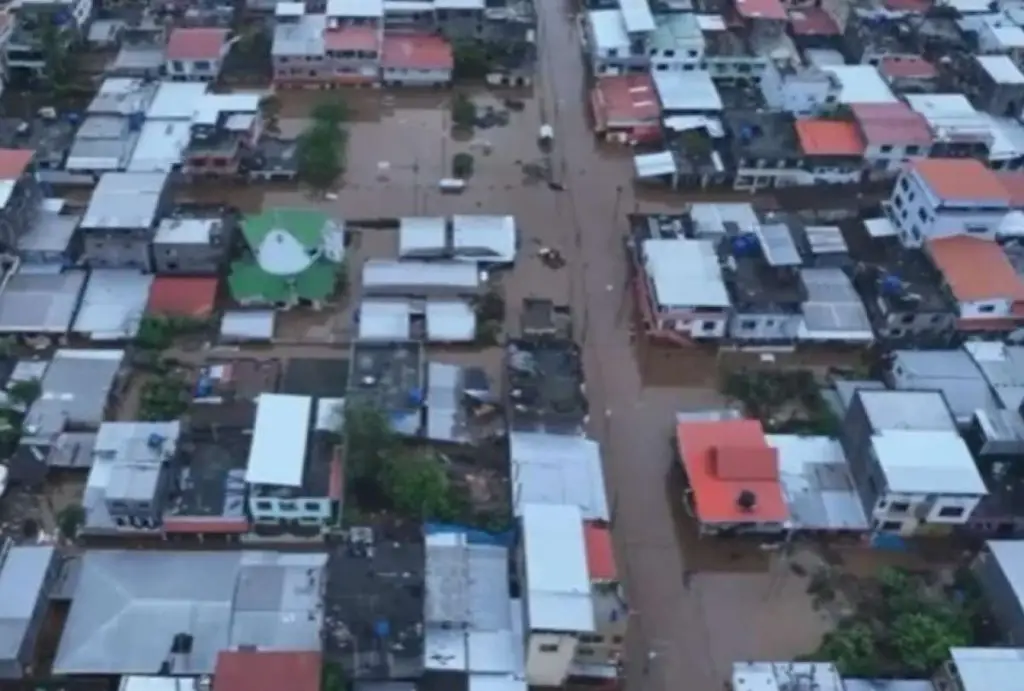
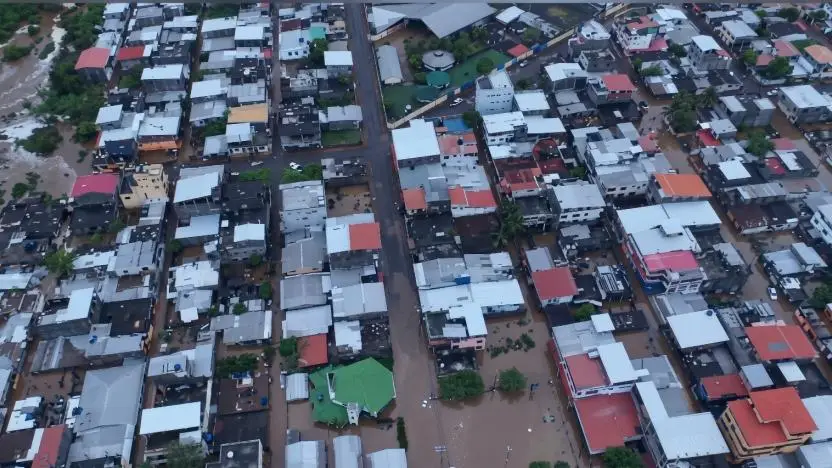
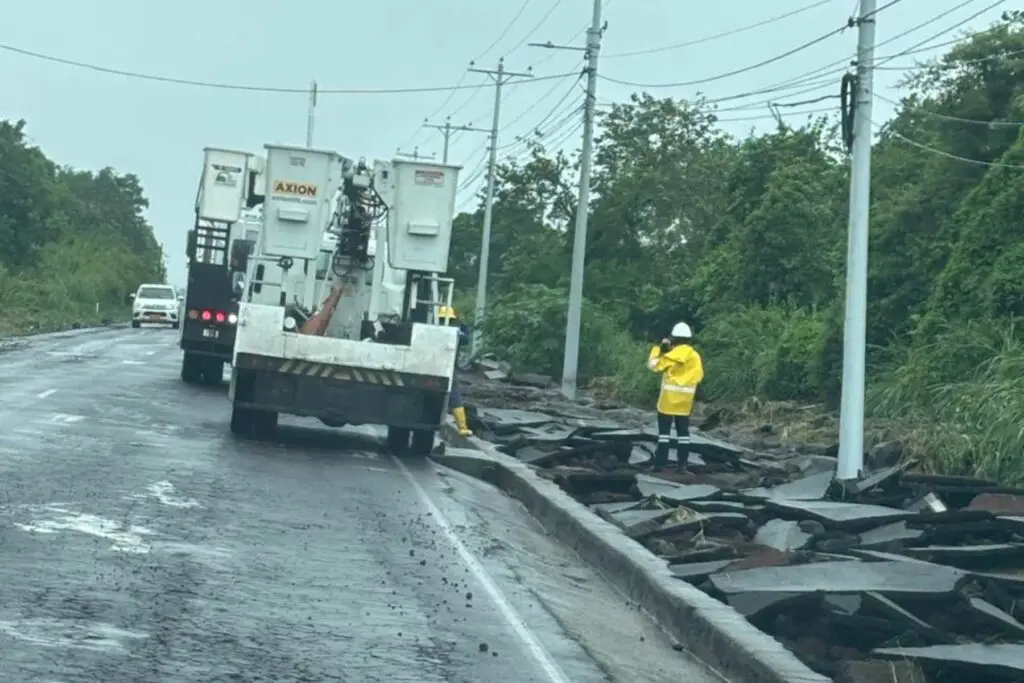
Galápagos lies at the heart of the El Niño phenomenon. Heavy rainfall has caused flooding on Santa Cruz Island, damaging homes and forcing families to evacuate.
This emergency highlights how extreme weather events can directly affect the safety, livelihoods, and well-being of entire communities. And the risk extends far beyond Galápagos. Across Ecuador, thousands of families are exposed to flooding, landslides, and other impacts that intensify during El Niño events.

Through the El Niño Emergency Fund, we aim to deliver humanitarian aid and direct support to families and communities most in need during emergencies caused by the El Niño phenomenon in Ecuador. To respond quickly and effectively, we need your help.
Beyond providing immediate assistance, we believe that the resilient landscapes we are working to restore and protect also depend on resilient communities. Behind every emergency are families who have lost loved ones, their homes, and the belongings they worked for years to build and acquire. Today, these families need our solidarity and support to move forward.
Through this fund, we want to help families not only recover from emergencies but also become better prepared for future extreme weather events. By investing in prevention:
Our team works directly with local communities and authorities to identify the most urgent needs and ensure that funds are allocated transparently to those who need them most.
In Galápagos, we coordinate our efforts with the Cantonal Emergency Operations Committee (COE), responsible for coordinating emergency response at the local level, and the Governing Council of the Special Regime of Galápagos (CGREG), the institution responsible for regional planning and institutional coordination. This collaboration helps strengthen emergency response efforts and ensure that assistance reaches affected families in a timely and responsible manner.