Responsible Fishing Network of Galapagos Strengthens Artisanal Fishers Capacities and Reinforces Its Commitment to Marine Sustainability
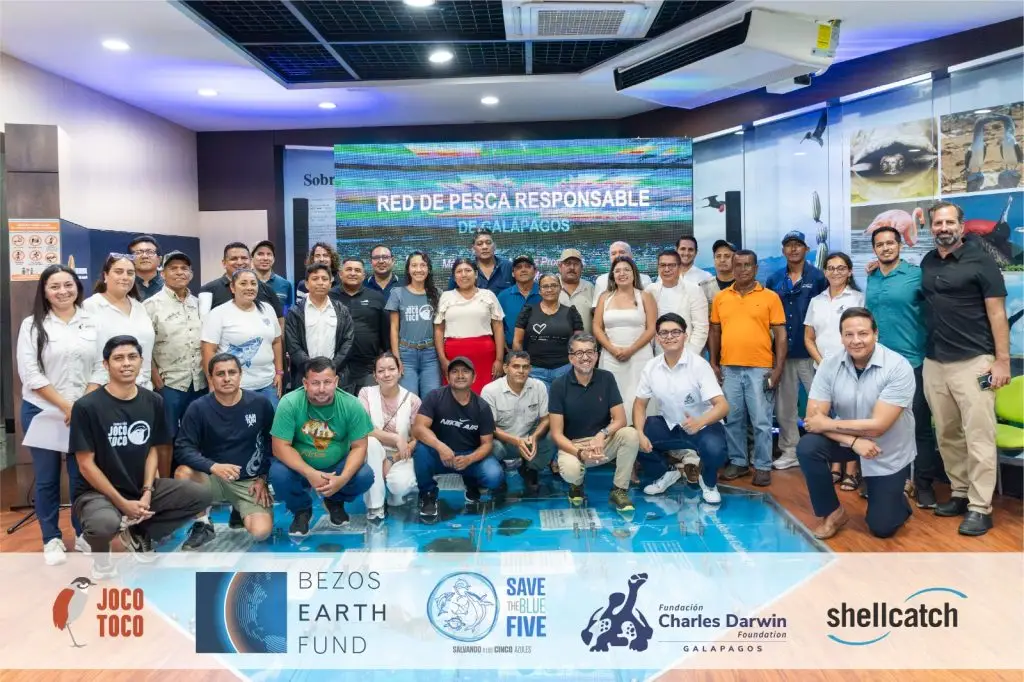
The Responsible Fishing Network of Galapagos has taken an important step forward in strengthening a shared vision of sustainability, traceability, and marine conservation by bringing together artisanal fishers, conservation organizations, and strategic partners committed to the future of the archipelagos marine resources.
Strengthening Local Capacity to Protect Galápagos’ Marine Megafauna
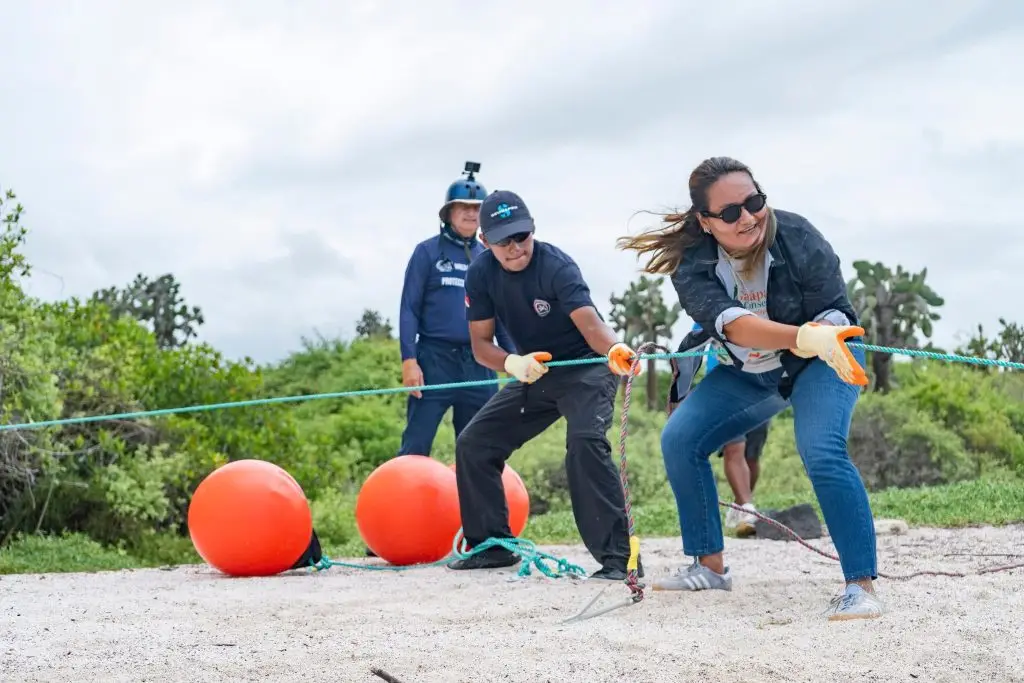
Every year, sea turtles, dolphins, sea lions, sharks, and whales face a silent threat in the ocean: becoming entangled in abandoned fishing gear, ropes, lines, and other marine debris. In many cases, their survival depends on one critical factora rapid, safe, and well-coordinated response.
Coordinated Conservation Efforts Strengthen the Future of the Pink Iguana in Galápagos
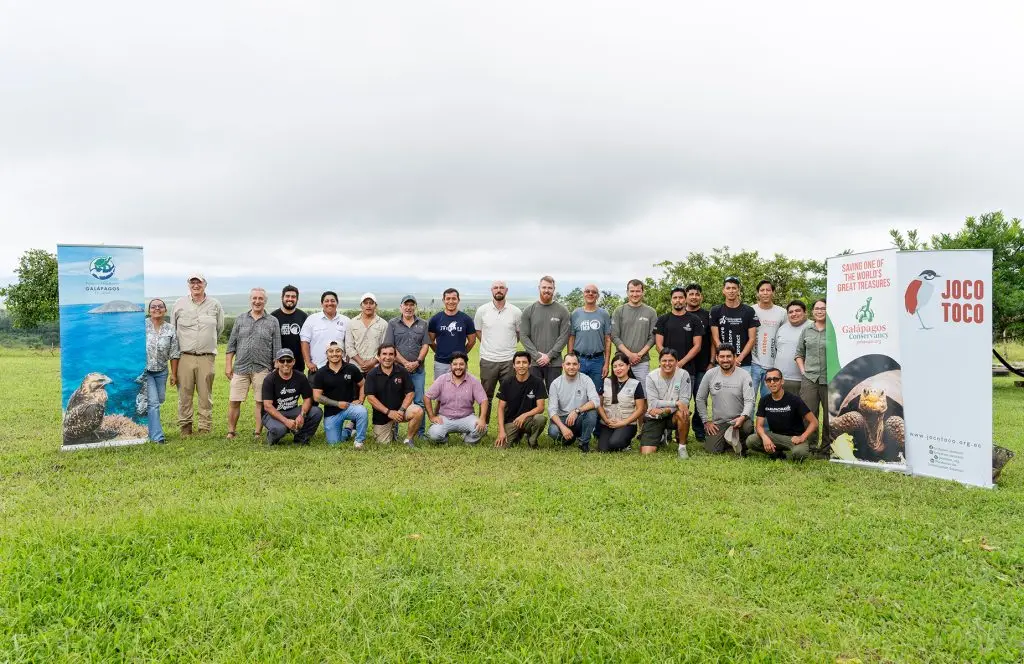
Representatives from the Galápagos National Park Directorate, Fundación Jocotoco, Conservando Galápagos, the University of Rome Tor Vergata, Island Conservation, and other technical partners participated in the workshop Co-creating a Coordinated Roadmap for the Conservation of the Pink Iguana, held on May 7 and 8 on Santa Cruz Island.
Floreana Launches Worlds First Smart Island Monitoring Systems to Bring Real-Time Wildlife Insights to the Galapagos
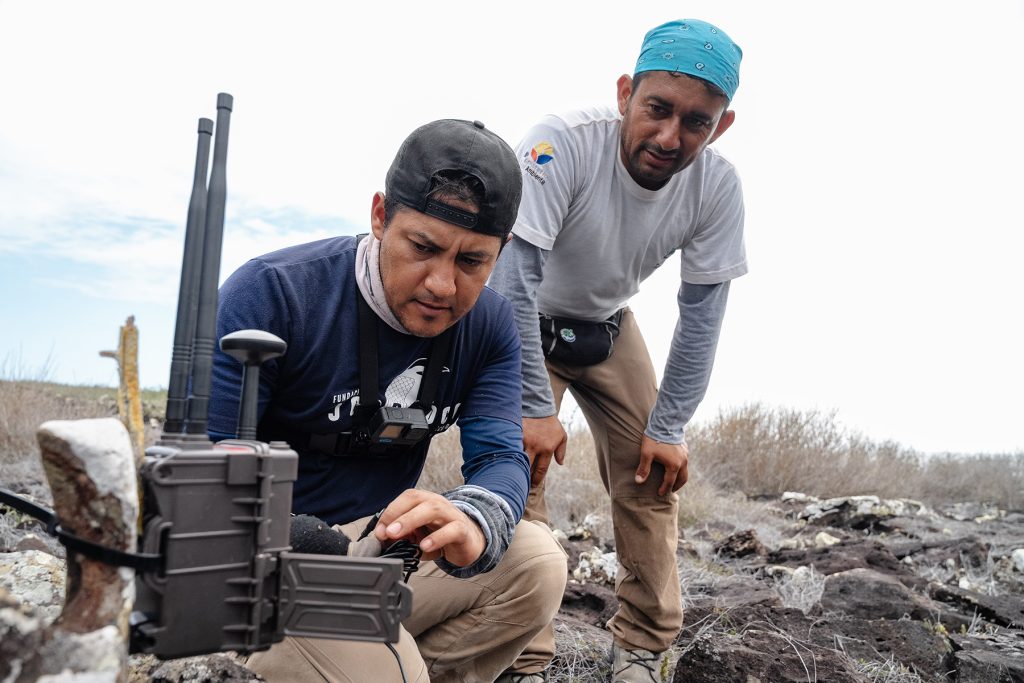
Floreana Island, Galápagos is one of the worlds first to launch a Smart Island Monitoring system, using innovative realtime technology that is transforming how island ecosystems are monitored and managed. The initiative is part of the Floreana Island Ecological Restoration Project, which is led by the Galápagos National Park Directorate as the environmental authority, together with the Galápagos Biosecurity Agency. The Smart Islands Monitoring initiative is led by Island Conservation, in coordination with Fundación Jocotoco, with support from the German Development Bank (KfW) and the CoMoN Foundation through the Charles Darwin Foundation.
Inauguration of Los Petreles Reserve strengthens conservation in San Cristóbal
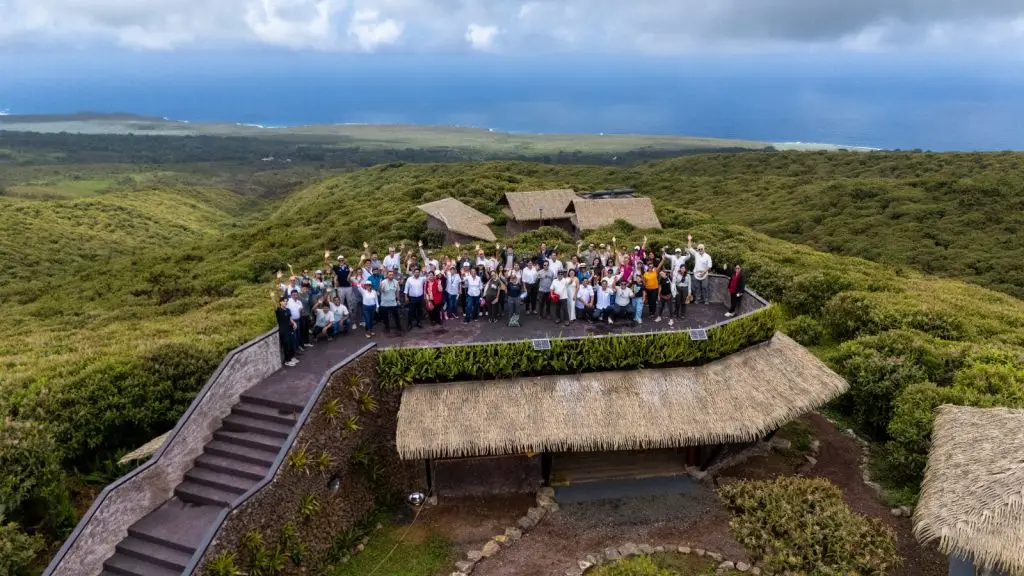
Reinforcing the commitment to protect the natural capital of the Galápagos Islands, Los Petreles Reserve was officially inaugurated. The reserve is one of Fundación Jocotocos 18 reserves nationwide and a key site for the conservation of the Galápagos Petrel (Pterodroma phaeopygia), one of the archipelagos most emblematic and threatened seabirds.
Paola Sangolquí Receives 2026 Whitley Award to Protect the Critically Endangered Galápagos Petrel
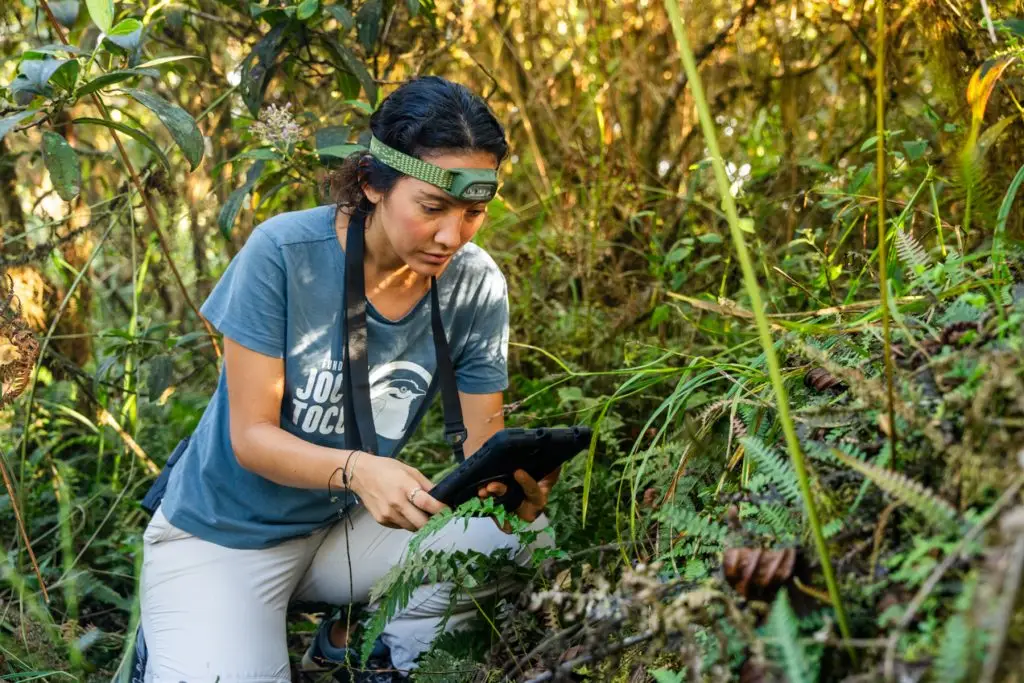
Jocotoco proudly announces that Dr. Paola Sangolquí, our Marine Conservation Coordinator, has been awarded the prestigious 2026 Whitley Award by the U.K.-based Whitley Fund for Nature (WFN), in recognition of her innovative work to protect the Critically Endangered Galápagos Petrel (Pterodroma phaeopygia).
Rainforests can recover quickly: groundbreaking study confirms the impact of Jocotoco’s long-term conservation in Ecuador’s Chocó
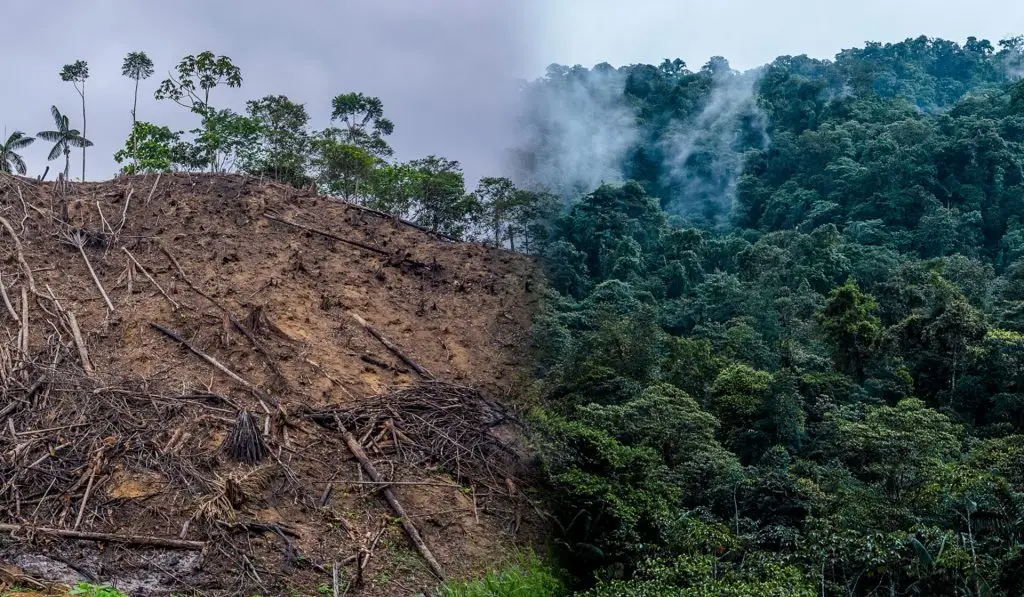
The groundbreaking results of a study in western Ecuador’s Chocó rainforests, one of the most complex, biodiverse, and threatened ecosystems on Earth, show that after deforestation, nature can return on its own quickly. In Jocotoco’s Canandé Reserve and nearby areas, abandoned cacao plantations and pastures recover 90% of species diversity and animal biomass in only 30 years, one human generation, once that land is protected and allowed to recover.
Magnolia dixonii Downlisted from Critically Endangered to Endangered A Major Conservation Milestone for Ecuadors Chocó Region
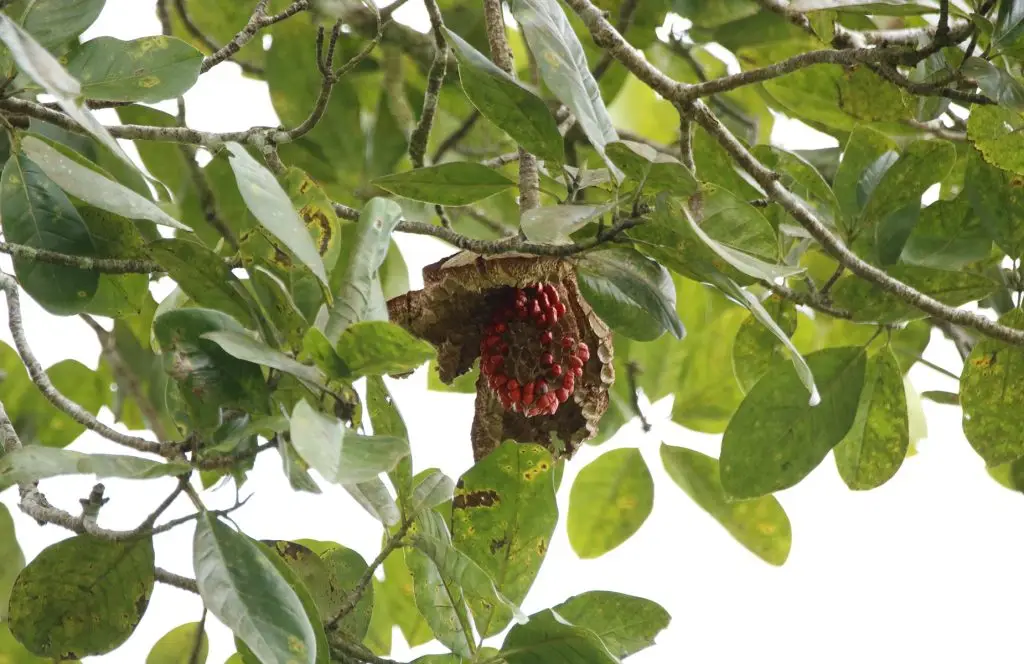
Quito, Ecuador (October 10th, 2025) – Fundación Jocotoco proudly announces the official downlisting of Magnolia dixonii from Critically Endangered (CR) to Endangered (EN) on the IUCN Red List of Threatened Species a rare and hopeful milestone for global plant conservation. The conservation and downlisting of Magnolia dixonii was achieved by work funded by Fondation Franklinia, Rainforest Trust, Wilhelma Zoological and Botanical Garden, and the College of William & Mary.
Canandé Reserve harbors the treasures of the Chocó
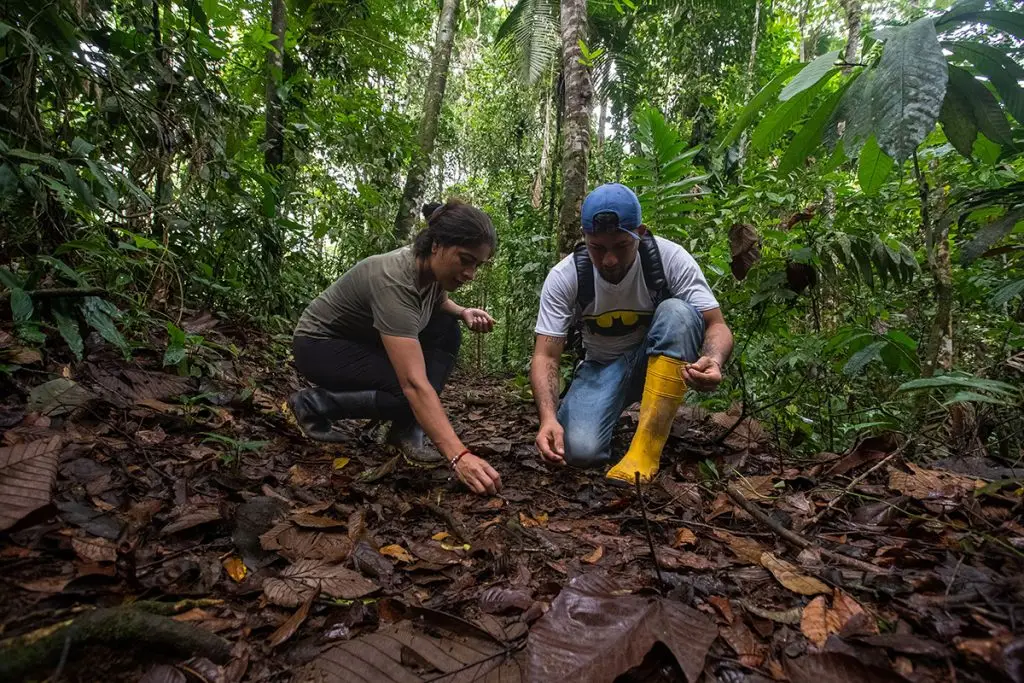
Waking up in the heart of our Canandé Reserve, the morning mist slowly lifts, revealing a lush, vibrant forest. You climb to the top of the canopy tower near your cabin as wildlife wakes up in the valley below. The air is thick with the rich aroma of the forest. Rolling, tree-covered hills stretch as far as you can see towards one part of the horizon.
From the Galápagos: Turning Dreams into Conservation Realities
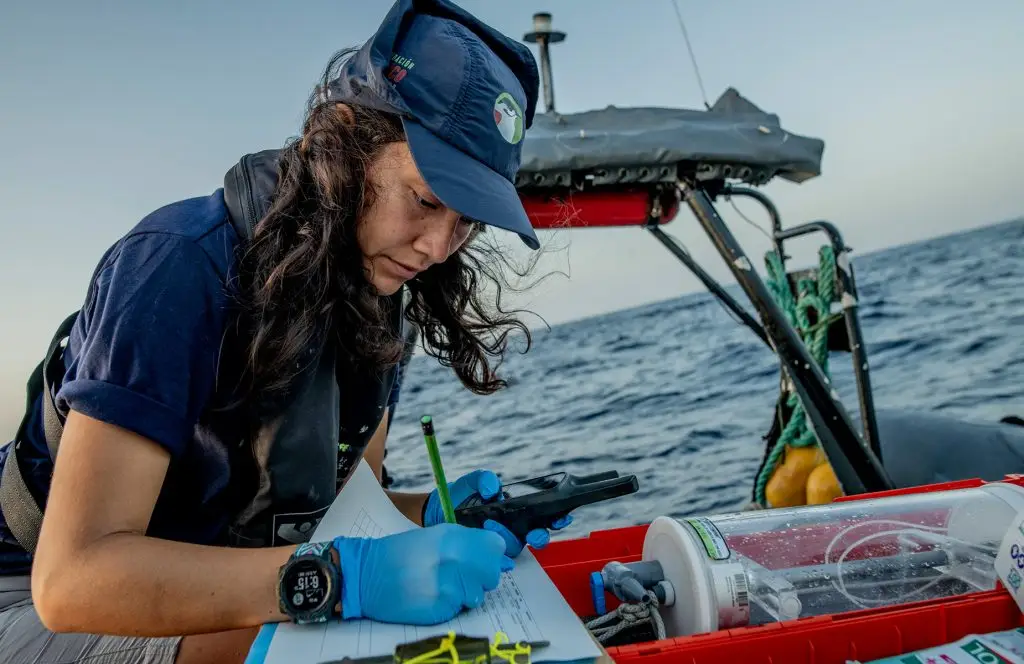
The Galápagos Islands are a global treasure trove of natural wonders. They serve as an invaluable living laboratory for studying evolution, both on land and in the sea. Jocotoco recently helped establish and create a management plan for the La Hermandad Marine Reserve, which links the Galapagos with the Cocos Island in Costa Rica, formally designated in 2022. This marine reserve helps protect a route for migratory marine species like sharks and sea turtles.